
Evaluating co-produced peer support services for the Royal Osteoporosis Society (2024-26)
The Royal Osteoporosis Society’s Osteoporosis Connect programme set out to reach communities the charity had not previously served, through five co-produced peer support pilots – a new online community, a Men’s Network, a Younger People’s Network, a Pregnancy Associated Osteoporosis Network, and face-to-face groups in three underserved locations. Fiveways NP Ltd carried out an independent evaluation across all five peer support models, assessing what worked, how co-production shaped the approach, and what the programme achieved across self-management, connection, and healthcare navigation outcomes.
“Fiveways completely delivered what we needed. The team are reliable, responsive, pragmatic and flexible, and it felt like a great collaborative effort throughout. The evaluation has given us clear evidence of how our models are performing. I’d recommend them to anyone evaluating a multi-faceted programme, and I’d use them again.”
Our evaluation included
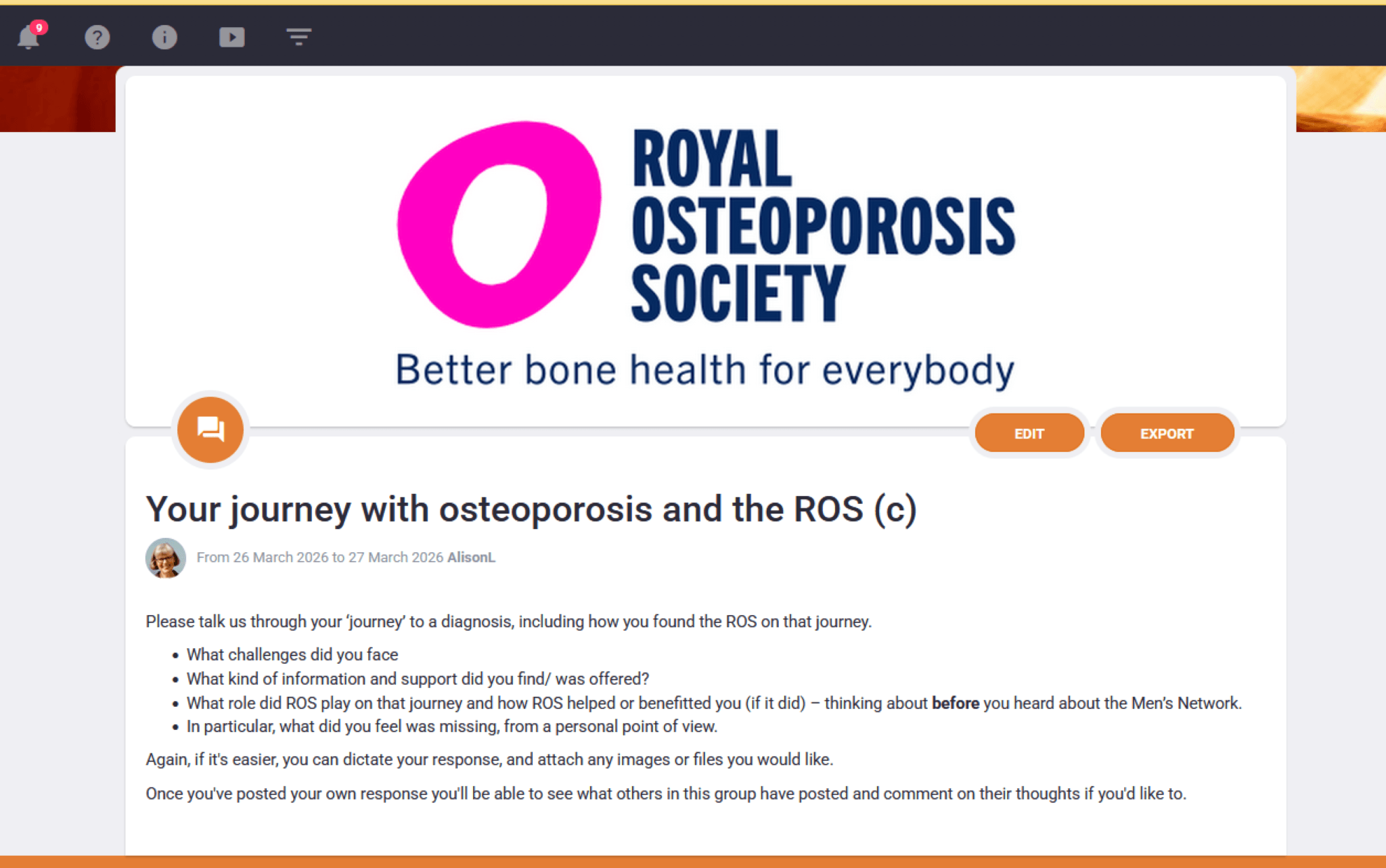
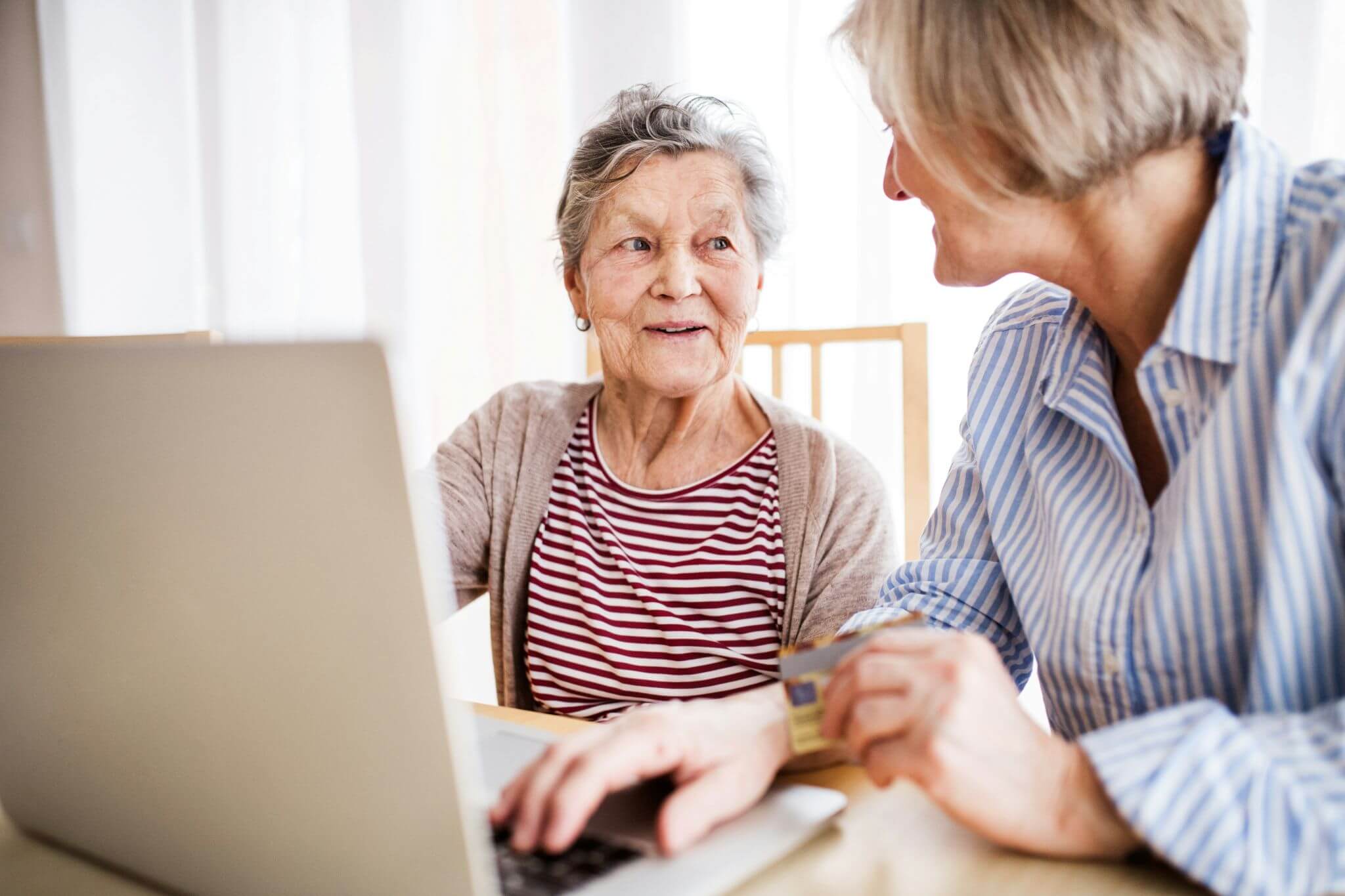
A mixed-methods evaluation spanning all five programme strands, including member surveys of the online community before and after its platform move. Surveys to track change among Men’s and Younger People’s Network participants. Qualitative methods included depth interviews exploring how each co-production group designed its model, an online insight forum with service users (see picture) and qualitative “focus days” in Salford, Sheffield and Birmingham to assess the progress with underserved communities, as well as interviewing programme staff, nurses, and volunteer leads.
Our evaluation revealed
Service models for men and younger people, co-produced independently, converged on similar designs, and participants who helped shape them went on to run sessions themselves as “Champions”. In areas of high deprivation and among South Asian communities, formal design language was off-putting and letting groups form organically worked better. Across all five strands, connection and reduced isolation were the most consistent outcomes of peer support, and face-to-face delivery was essential, not optional, for digitally excluded participants.